Homesteading
Backyard Chickens for Eggs: A Practical Starter Guide
Learn how to raise backyard chickens for eggs with practical advice on breeds, coop design, feed, daily routines, health, and winter care.

Published July 18, 2026 · 13 min read
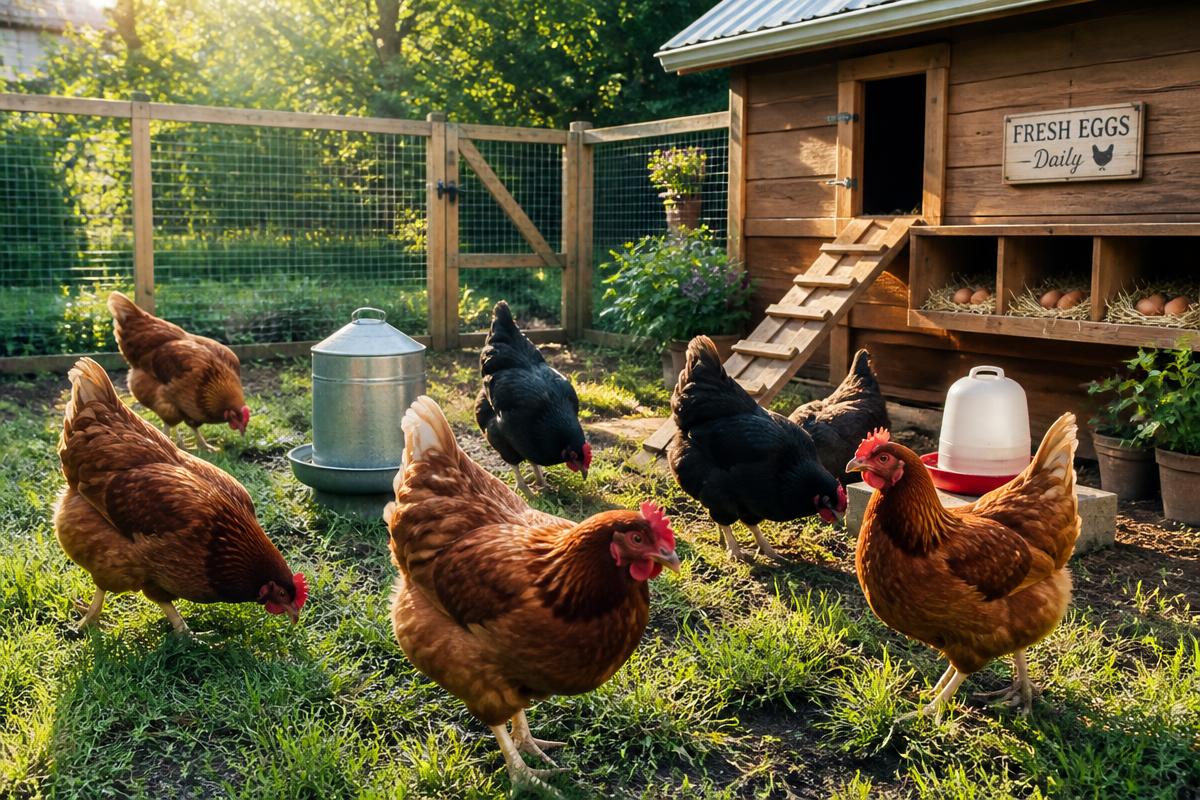
Raising backyard chickens for eggs is one of the most useful first steps into homesteading. A small flock can turn kitchen scraps, garden weeds, and purchased feed into fresh eggs, manure for compost, and daily contact with the rhythm of livestock care. Chickens are not difficult animals, but they are not automatic egg machines either. Good results come from doing a few basic things consistently: choosing the right birds, housing them safely, feeding them properly, watching their health, and adjusting care when weather changes.
This guide is written for the first-time keeper who wants a plain-spoken, reliable plan. It assumes you are raising hens primarily for household eggs, not breeding or commercial production. With a modest setup and steady care, 4 to 6 good laying hens can supply many families with a dependable flow of eggs for much of the year.
Why Raise Backyard Chickens for Eggs
The main reason people start with chickens is obvious: eggs. A healthy laying hen from a productive breed may lay 200 to 300 eggs per year, with peak production in her first two laying years. That does not mean one hen lays every day forever. Egg laying rises and falls with age, daylight, nutrition, breed, heat, cold, molt, and stress. Still, a small flock can be very productive.
Backyard chickens also provide benefits beyond the carton. They scratch through garden cleanup piles, eat some insects, produce nitrogen-rich manure, and give families a simple way to understand food production. Their bedding and manure can become excellent compost when handled correctly. Many keepers also value the birds themselves. A calm hen scratching in a run is a pleasant part of a working backyard.
The tradeoff is daily responsibility. Chickens need fresh water, secure housing, feed, and regular observation. Predators do not take weekends off. Water freezes in winter and gets dirty in summer. Eggs need collecting. If that sounds manageable, chickens are a practical and rewarding addition to a backyard.
Check Rules and Plan Your Flock
Before buying chicks or building a coop, check local rules. Towns, homeowner associations, and counties may limit flock size, ban roosters, require setbacks from property lines, or regulate manure storage. Many backyard egg flocks do not need a rooster. Hens lay eggs without one; the eggs simply will not be fertile. Roosters can be useful for flock protection and breeding, but they are loud and often not legal in neighborhoods.
For most beginners, 3 to 6 hens is the sweet spot. Three hens provide companionship for each other and some eggs without overwhelming a small yard. Six hens can produce a strong household supply, especially in spring and early summer. Avoid starting with one chicken. Chickens are flock animals and do poorly alone.
Plan costs realistically. You may spend money on chicks or started pullets, a brooder if raising chicks, a coop, fencing, feeders, waterers, bedding, feed, grit, oyster shell, and basic health supplies. A safe coop is often the largest expense, but it is also where you should not cut corners. A cheap, flimsy coop that lets raccoons, dogs, foxes, or hawks reach the flock quickly becomes expensive in the worst way.
Decide whether to start with chicks, pullets, or adult hens. Chicks are cheaper and give you more breed options, but they need heat, brooder space, and about 5 to 6 months before eggs. Started pullets cost more but are easier for beginners because they are near laying age. Adult hens can be useful, but ask about age and health; older hens may lay fewer eggs.
Choose the Best Egg-Laying Breeds
The best breed depends on your climate, goals, and temperament needs. For a backyard egg flock, look for breeds known for steady laying, calm behavior, and good adaptability. Avoid choosing only by feather color or novelty. Fancy birds can be enjoyable, but production and hardiness matter when you want eggs.
Reliable egg breeds and hybrids include:
- Rhode Island Red: Hardy brown-egg layer, productive, adaptable, and widely available. Some lines can be assertive.
- Australorp: Calm, cold-hardy, good brown-egg production, and well suited to families.
- Plymouth Rock: Friendly, sturdy, dual-purpose bird with dependable brown eggs.
- Leghorn: Excellent white-egg layer, feed-efficient and active. Better for keepers who do not mind flightier birds.
- Orpington: Gentle, large, cold-tolerant, and family-friendly, though not always the highest producer.
- Wyandotte: Attractive, cold-hardy, and solid layers with rose combs that resist frostbite better than large single combs.
- Sex-link hybrids: Often sold as Red Star, Golden Comet, Black Star, or similar names. Very productive, easy to manage, and good for egg-focused flocks.
- Easter Egger: Popular for blue or green eggs, usually hardy and friendly, with moderate to good laying.
If you live in a hot climate, prioritize heat-tolerant breeds such as Leghorns, Andalusians, Easter Eggers, and many production hybrids. If winters are harsh, consider Australorps, Plymouth Rocks, Wyandottes, and Orpingtons. Large combs lose heat and are more prone to frostbite, so cold-climate keepers often prefer birds with smaller combs.
A mixed flock is a good beginner strategy. For example, a practical six-hen flock might include two Australorps, two Plymouth Rocks, one Easter Egger, and one sex-link hybrid. That gives reliable production, varied egg colors, and a range of temperaments.
Design a Safe, Practical Coop
A good chicken coop does four jobs: protects birds from predators, keeps them dry, provides fresh air without drafts, and makes chores easy for the keeper. Looks matter less than function. Many problems in backyard flocks trace back to poor housing.
Use these space guidelines as a starting point: provide at least 3 to 4 square feet per standard-size hen inside the coop and 8 to 10 square feet per hen in an outdoor run. More space is better, especially if birds will not free-range. Crowding increases pecking, dirty bedding, respiratory issues, and stress.
Every coop should include:
- Roosts: Provide about 8 to 10 inches of roost space per bird. Use a rounded or slightly flattened board, such as a 2x4 with the wide side up in cold areas so birds can cover their toes with feathers.
- Nest boxes: One box for every 3 to 4 hens is usually enough. A 12-by-12-inch box works for most breeds. Keep boxes darker, clean, and lower than roosts to discourage sleeping in them.
- Ventilation: Install vents near the roofline to let moist air escape. Moisture is more dangerous than cold in winter. Ventilation should not blow directly on roosting birds.
- Dry bedding: Pine shavings, chopped straw, hemp bedding, or dry leaves can work. Avoid moldy materials. Cedar shavings are often discouraged because aromatic oils may irritate birds.
- Predator-proof openings: Use hardware cloth, not chicken wire, over windows and run openings. Chicken wire keeps chickens in; it does not reliably keep predators out.
Predator pressure is real even in suburbs. Raccoons can open simple latches, dogs can tear through weak fencing, rats steal feed, and hawks strike from above. Use two-step latches, bury hardware cloth or install an apron around the run, and cover the run if hawks are common. Lock hens inside the coop at dusk or use a quality automatic door backed by regular checks.
Design for your own convenience. You are more likely to care for chickens well if the coop is easy to clean, the waterer is easy to reach, and eggs can be collected without crawling through mud. A human-size door, removable roost bars, exterior nest access, and a covered feed area are worth the effort.
Feed, Water, and Supplements
Egg production depends heavily on nutrition. For laying hens, the simplest and most reliable feed is a complete layer ration with about 16% protein and added calcium. Feed it free-choice or in measured amounts according to the label and your flock’s condition. Hens typically eat around 1/4 pound of feed per bird per day, though this varies by breed, season, forage, and waste.
Do not switch chicks directly to layer feed. Chicks need chick starter, usually around 18% to 20% protein, and they should not receive high-calcium layer feed while young. Grower feed bridges the period between starter and laying. Once pullets approach laying age—often around 18 to 22 weeks, depending on breed—you can transition to layer feed.
Always provide clean water. A laying hen’s body uses water to produce eggs, regulate temperature, digest feed, and stay healthy. In hot weather, water intake rises sharply. In freezing weather, hens still need liquid water every day. Dirty or empty waterers quickly reduce egg production and can trigger health problems.
Offer oyster shell or another poultry calcium source in a separate container. Even if your feed includes calcium, some hens need more for strong shells. Keeping it separate lets birds regulate intake. Also provide grit if birds eat whole grains, kitchen scraps, weeds, or forage. Grit helps the gizzard grind food.
Treats should be limited. Scratch grains, cracked corn, mealworms, fruit, and leftovers are useful in small amounts, but they dilute balanced nutrition if overused. A good rule is to keep treats under 10% of the diet. Avoid giving spoiled food, salty processed foods, chocolate, alcohol, uncooked dried beans, and anything moldy. Kitchen scraps are not a substitute for layer feed.
Store feed in a metal can or secure bin to prevent rodents. Rodents bring disease, waste feed, and attract larger predators. Clean up spilled grain and avoid leaving open feed outdoors overnight.
Daily and Weekly Chicken Care Routine
A steady routine keeps backyard chickens simple. Most daily care takes 10 to 15 minutes once your system is set up. The key is consistency and observation.
Follow this basic daily routine:
- Morning: Open the coop or confirm the automatic door has opened. Check that all birds are active and moving normally.
- Feed: Refill or check the feeder. Look for unusual waste, mold, or rodent signs.
- Water: Empty dirty water if needed and provide fresh water. In hot or freezing conditions, check more than once.
- Egg collection: Collect eggs at least once daily. In extreme heat or cold, collect more often to prevent spoilage or freezing cracks.
- Observe: Spend a minute watching behavior. A sick hen often stands apart, fluffs up, droops her tail, or stops eating.
- Evening: Make sure all hens are inside and lock the coop securely after dusk.
Weekly chores include topping up bedding, washing waterers, checking latches and fencing, adding oyster shell, and inspecting the coop for damp areas or mites. Every few weeks, clean nest boxes and replace soiled bedding. Full cleanouts depend on your bedding method, flock size, climate, and coop design. Some keepers use a deep-litter system, adding dry carbon bedding regularly and removing composted material seasonally. Others clean more frequently. Either way, the coop should smell earthy or neutral, not strongly of ammonia.
Eggs can be stored unwashed at cool room temperature for a limited period if the bloom is intact, but many households prefer refrigeration. If eggs are dirty, wash them with water warmer than the egg, dry them, and refrigerate. Prevent dirty eggs by keeping nest boxes clean and discouraging hens from sleeping in them.
Health, Predators, and Biosecurity
Healthy chickens are alert, active, bright-eyed, and interested in feed. Their combs are usually red when in lay, their feathers are smooth except during molt, and their droppings vary but should not be consistently bloody, watery, or foul beyond normal manure smell. Learn what normal looks like in your flock so you can spot changes early.
Common beginner health issues include external parasites, respiratory disease, egg binding, bumblefoot, heat stress, and digestive upset. Mites and lice may cause feather damage, pale combs, restlessness, or reduced laying. Check around the vent, under wings, and along feather shafts. Bumblefoot appears as swelling or a dark scab on the foot pad and often comes from rough roosts, sharp surfaces, or wet bedding.
Good prevention beats emergency treatment. Keep bedding dry, avoid crowding, provide dust-bathing space, quarantine new birds for at least 2 to 4 weeks, and buy chicks or pullets from reputable sources. Do not bring home birds from swaps or auctions unless you are prepared for disease risk. Wash hands after handling chickens, especially before eating or cooking.
Biosecurity also means limiting visitors in the coop, keeping wild birds away from feed and water, and using dedicated boots or shoes for chicken chores. In areas with avian influenza risk, follow local agricultural guidance. Covered runs and protected feeders can reduce contact with wild bird droppings.
Have a small chicken first-aid kit ready. Useful items include disposable gloves, a clean towel, poultry electrolyte powder, antiseptic wound spray labeled for animals, gauze, vet wrap, a flashlight, poultry dust or treatment recommended by your veterinarian for parasites, and contact information for a poultry-aware vet or extension office. Avoid random internet dosing with livestock medications. Eggs and meat can have withdrawal times after certain treatments.
Predator prevention is part of health care. A secure coop saves more birds than any medicine cabinet. Check for digging at the run edge, loose hardware cloth, chew marks, and gaps larger than about 1/2 inch in vulnerable areas. If you lose a bird, reinforce the setup before replacing it; predators often return.
Winter Care for Laying Hens
Chickens handle cold better than many beginners expect, especially cold-hardy breeds in a dry, well-ventilated coop. The goal in winter is not to make the coop warm like a house. The goal is to keep birds dry, out of direct drafts, supplied with liquid water, and able to eat enough calories.
Moisture is the main winter enemy. Chickens exhale moisture all night, and droppings add more. If the coop is sealed tight, humidity builds and frostbite becomes more likely. Keep upper ventilation open while blocking wind at roost level. If you see condensation inside windows or frost on interior surfaces, improve ventilation and bedding management.
Use heated water bases or heated poultry waterers where electricity can be installed safely. If you do not use electricity, plan to carry fresh water at least twice daily in freezing weather. Rubber bowls work well because ice can be flexed out. Check cords for pecking risk and use outdoor-rated equipment with proper electrical protection.
Feed intake rises in cold weather. Keep layer feed available, and consider offering scratch grains in the late afternoon as a small treat. Digesting feed helps birds maintain body heat overnight, but scratch should not replace balanced ration. Continue oyster shell and grit.
Artificial light is optional. Hens lay according to daylight, and production often slows when days shorten. Some keepers add a timer light in the early morning to provide 14 to 16 hours of total light and support winter laying. Others let hens rest naturally. If you use light, increase gradually, use a safe fixture, and never rely on heat lamps in a dusty coop unless specifically designed and installed with extreme care. Heat lamps are a major fire risk.
Prevent frostbite by choosing cold-hardy breeds, keeping the coop dry, and using wide roosts. In severe cold, a thin layer of petroleum jelly on large combs may help reduce exposure, but it is not a substitute for dry housing. Watch for blackened comb tips or swollen feet.
Snow can make birds reluctant to leave the coop. Shovel part of the run, add straw or leaves over snow, and block harsh wind with clear panels or tarps placed carefully so ventilation remains. Bored winter birds may peck each other, so provide space, dry litter to scratch, hanging cabbage, or a flake of straw to work through.
A Simple 30-Day Startup Plan
If you want a practical sequence, use this plan before bringing birds home. First, confirm local rules and choose your flock size. Second, decide whether you will buy chicks or pullets. Third, build or buy the coop and run before birds arrive; do not plan to finish it later. Fourth, purchase feeders, waterers, bedding, feed, grit, oyster shell, and storage bins. Fifth, identify a local veterinarian, extension office, or experienced poultry keeper for backup questions.
During the first week with birds, keep routines calm and predictable. Watch droppings, appetite, and behavior. For pullets, keep them confined to the coop and run for a short settling period before any supervised free-ranging so they learn where home is. Once laying begins, check nest boxes often and make them inviting with clean bedding and fake eggs if needed.
By the end of the first month, you should know each hen’s normal behavior. That familiarity is your best management tool. Most backyard chicken success is not complicated. It is the result of good housing, balanced feed, clean water, predator control, and a keeper who pays attention.
Backyard chickens for eggs are a manageable livestock project when started with realistic expectations. Choose hardy layers, build secure housing, feed a complete ration, and follow a simple daily routine. Do those things well, and your flock will reward you with fresh eggs, useful compost material, and a better connection to the work behind everyday food.
Key takeaways
- ◆Start with 3 to 6 hens for a manageable backyard egg flock and choose calm, productive breeds suited to your climate.
- ◆Build or buy a predator-proof coop with 3 to 4 square feet per bird indoors, 8 to 10 square feet per bird in the run, proper ventilation, and dry bedding.
- ◆Feed a complete layer ration, provide clean water every day, and offer oyster shell separately for strong eggshells.
- ◆A simple daily routine—open, feed, water, collect eggs, observe birds, and lock up at dusk—prevents most common problems.
- ◆Winter success depends on dry housing, draft-free ventilation, unfrozen water, adequate feed, and safe management rather than overheating the coop.
Frequently asked questions
How many backyard chickens should a beginner start with?+
Most beginners do well with 3 to 6 hens. That is enough for flock companionship and a useful egg supply without making chores, feed costs, or coop space overwhelming.
Do hens need a rooster to lay eggs?+
No. Hens lay eggs without a rooster. A rooster is only needed if you want fertile eggs for hatching, and many neighborhoods do not allow roosters because of noise.
How much space do laying hens need?+
Plan for at least 3 to 4 square feet per standard hen inside the coop and 8 to 10 square feet per hen in the run. More space improves cleanliness and reduces stress.
What should I feed chickens for strong egg production?+
Feed a complete layer ration, usually around 16% protein, once pullets reach laying age. Provide clean water daily, oyster shell separately for calcium, and grit if they eat forage or scraps.
Do chickens need heat in winter?+
Most cold-hardy hens do not need heated coops. They need dry bedding, draft-free roosts, good upper ventilation, enough feed, and unfrozen water. Heat lamps can create serious fire risk.
Keywords
- backyard chickens for eggs
- raising laying hens
- chicken coop design
- best chicken breeds for eggs
- chicken feed for layers
- winter chicken care
- backyard chicken health
Related reading
Homesteading
Rainwater Harvesting on the Homestead: Systems, Sizing and What It Actually Saves
A working guide to catchment, storage, filtration and delivery for homestead-scale rainwater harvesting — what the systems cost, what they save, and the mistakes that turn a $6,000 setup into a green swamp.
July 18, 2026 · 12 min read

Soil Health
Composting on a Working Farm: Systems That Actually Scale
Backyard piles do not translate to farm scale. A working agronomist's guide to windrow composting, C:N ratios, temperature management, and turning finished compost into a real soil-health tool.
July 12, 2026 · 12 min read
Homesteading
Starting a Backyard Homestead: The Realistic First Year
A grounded, non-romantic guide to your first year of homesteading — what actually works on a quarter-acre, in what order, and where new homesteaders most often burn out.
July 5, 2026 · 9 min read