Homesteading
Starting a Backyard Homestead: The Realistic First Year
A grounded, non-romantic guide to your first year of homesteading — what actually works on a quarter-acre, in what order, and where new homesteaders most often burn out.

Published July 5, 2026 · 9 min read
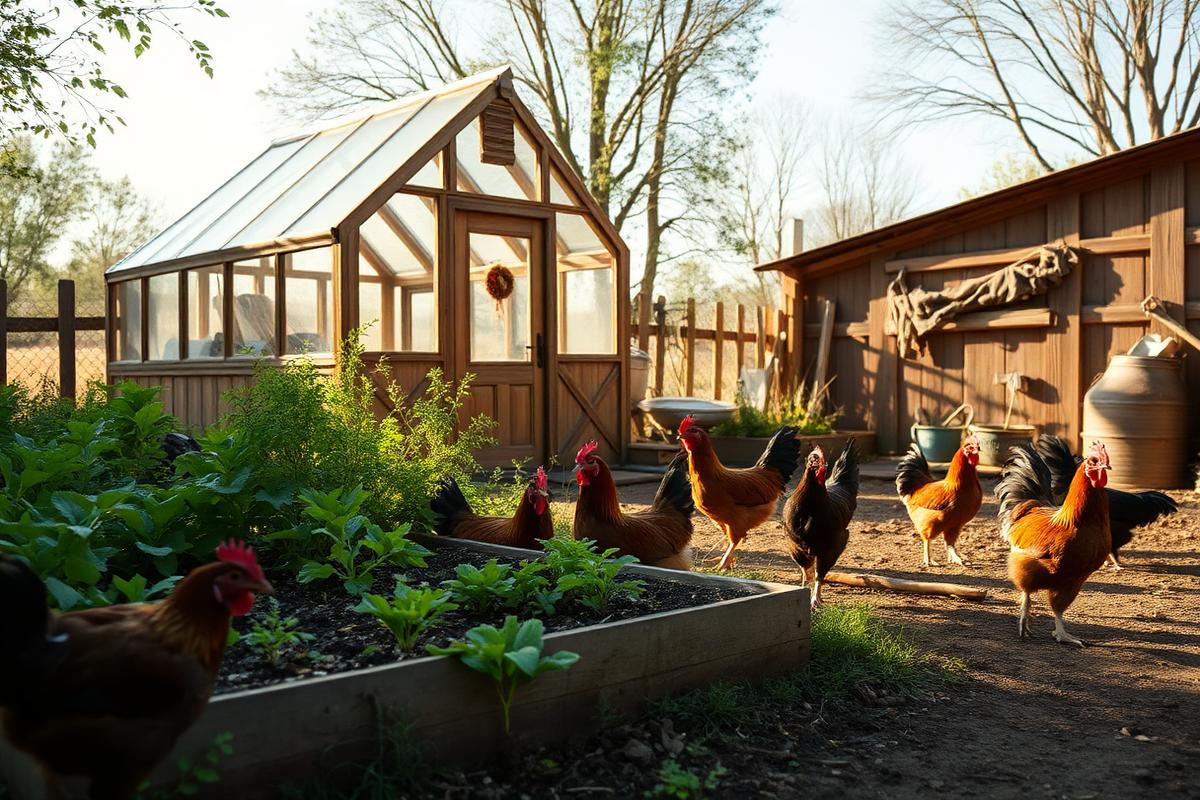
Homesteading Instagram will tell you to raise dairy goats, sourdough starter, three heritage-breed pigs and a bee colony in year one. Please don't. The homesteaders I know who are still going strong at year ten started narrow, went deep, and added scope only after they had systems that ran themselves.
Start with what you'll actually eat
List the ten foods your household buys most. Cross off anything not season-appropriate for your climate. That's your year-one production list. Ambitious first-year projects that don't match daily eating patterns are the most common source of wasted effort.
Garden first, animals second
A well-designed 400–800 sq ft garden produces most of a family's vegetables and costs a fraction of what a livestock operation costs to start. Master the garden in year one. Animals are a seven-day-a-week commitment — don't stack that on top of learning to grow food.
Adding chickens (year one, maybe)
Chickens are the exception because they slot into an existing garden well: 4–6 hens, a secure coop, a decent run and rotational grazing on garden beds in the off-season. Expect eggs in month five and one predator crisis by month twelve. Plan for both.
Preservation and storage
The homestead only pays off when you preserve. A water-bath canner, a decent freezer and a cool basement corner cover 90% of what most families need. Fancy freeze-dryers and dehydrators are year-three purchases.
Avoiding the year-two burnout
Homestead burnout is real and predictable. It happens when scope grew faster than systems in year one. If any single task takes more than an hour a day by mid-summer, redesign it before you add anything new. The goal is a homestead that gets easier every year, not harder.
Key takeaways
- ◆Grow food you actually eat, not photogenic food.
- ◆Master the garden before adding livestock.
- ◆Chickens are the one animal that fits well into year one.
- ◆Preservation is where the economics finally work out.
- ◆If a daily chore exceeds an hour, redesign before you expand.
Frequently asked questions
How much land do I need to homestead?+
A meaningful homestead is possible on a quarter-acre — dense gardens, chickens, and preservation cover a lot. One to five acres opens up small livestock and orchards. More than five acres is mostly about scale, not viability.
Is homesteading actually cheaper than buying groceries?+
In year one, almost never — you're paying for infrastructure. From year three onward, most well-run homesteads produce food at 30–60% below equivalent-quality retail, plus produce something grocery stores simply don't sell.
Keywords
- starting a backyard homestead
- beginner homesteading
- backyard chickens
- small homestead layout
Related reading
Market Gardening
Market Gardening: The First-Year Mistakes That Cost the Most
The pattern of expensive mistakes new market gardeners make in year one — and the small planning decisions that separate a viable second season from a shut-down.
July 1, 2026 · 8 min read
AgTech & Precision Farming
Smart Irrigation for Small Farms: Systems That Pay Back
Drip, sensors, and scheduling that actually work on 1–20 acres. Real system designs, costs, and the metrics that decide whether the investment pays for itself.
June 18, 2026 · 9 min read
Soil Health
Building Healthy Soil: A Practical, Working-Farm Guide
How real farms build living, productive soil — a field-tested guide to soil biology, organic matter, cover crops and testing you can actually use this season.
May 14, 2026 · 12 min read