Homesteading
Hugelkultur: Raised Beds That Feed Themselves
Learn the secrets of Hugelkultur, a permaculture technique for building self-fertilizing, water-retaining raised beds using buried wood.

Published July 19, 2026 · 7 min read
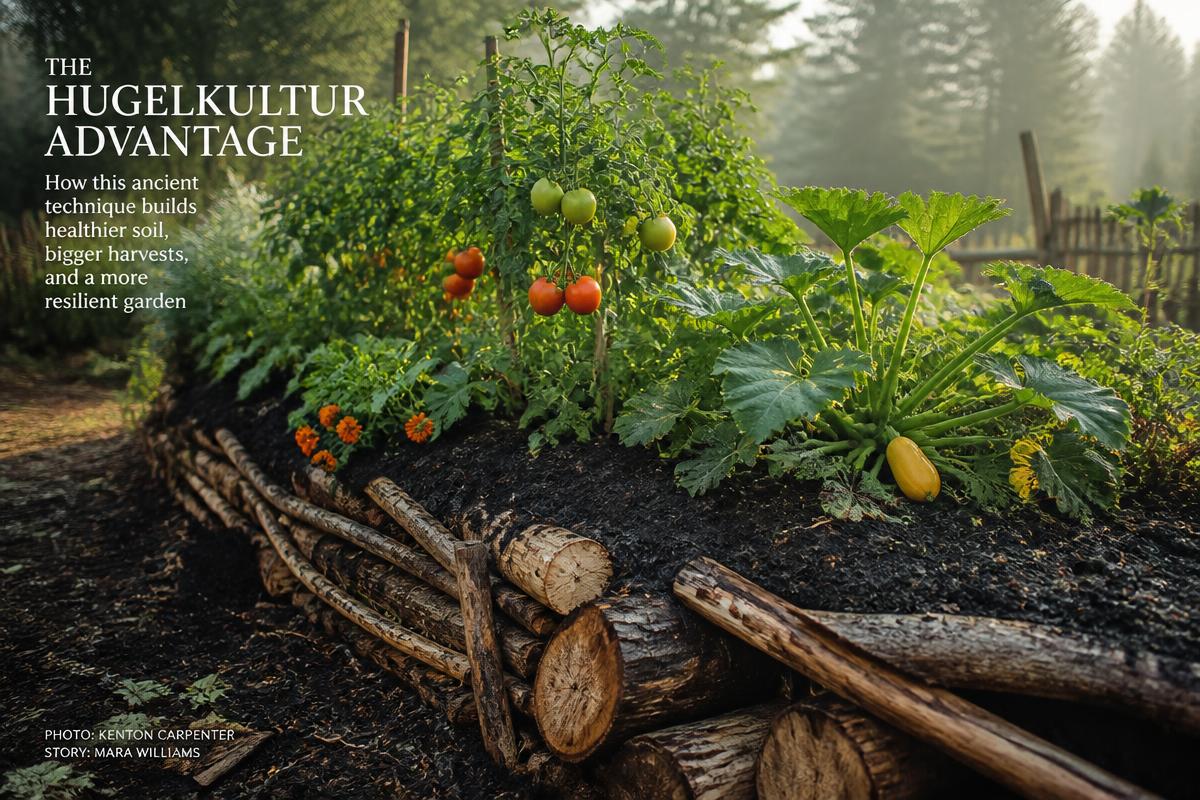
For the modern homesteader or small-scale farmer, the ultimate goal is resilience: creating a system that produces maximum yield with minimum external inputs. Enter hugelkultur (pronounced hoo-gul-culture). Translated from German as "mound culture," this centuries-old Eastern European technique involves burying wood debris to create raised garden beds that are virtually self-watering and self-fertilizing.
Whether you are dealing with compacted clay, arid climates, or a surplus of fallen timber, hugelkultur offers a regenerative solution that mimics the nutrient cycling of a forest floor. In this guide, we will explore the science, construction, and management of these biological powerhouses.
The Science of Hugelkultur: How It Works
At its core, a hugelkultur bed is a slow-release composting system. When you bury wood beneath soil, a complex biological succession begins:
- The Sponge Effect: As wood decays, it becomes porous. These pores act like a massive underground sponge, soaking up winter rains and spring runoff. In a mature bed (2+ years old), the wood can hold enough moisture to sustain deep-rooted crops through an entire summer drought without irrigation.
- Thermal Energy: The decomposition process is exothermic. Much like a compost pile, the core of a hugelkultur mound generates a small amount of heat. This can warm the soil earlier in the spring, effectively extending your growing season by 2–4 weeks.
- Nutrient Cycling: Fungi and bacteria break down the lignin and cellulose in the wood, releasing nitrogen, phosphorus, and potassium over a period of 10 to 20 years.
- Aeration: As the logs break down and shrink, they create air pockets. This prevents soil compaction and encourages robust root respiration.
The Benefits for Small-Scale Producers
Why choose hugelkultur over traditional tilling or standard raised beds?
- Zero-Cost Inputs: It turns "waste" (fallen branches, old logs, brush) into a valuable resource.
- Vertical Growing Space: A mound that is 3 feet high and 5 feet wide has significantly more surface area for planting than a flat 5-foot strip of ground.
- Carbon Sequestration: By burying wood instead of burning it, you are locking carbon into the soil.
- Accessibility: High mounds reduce the need for bending and kneeling, making harvesting easier.
Choosing Your Wood: The Best and the Worst
The success of your hugel bed depends heavily on the species of wood you bury. Not all wood is created equal.
The Best Woods:
- Hardwoods (Oak, Maple, Beech, Birch): These break down slowly and provide the longest-lasting nutrient source (15–20 years).
- Fruit Woods (Apple, Pear, Cherry): Excellent nutrient profile and safe for all crops.
- Poplar and Willow: These break down quickly and are excellent for "jump-starting" a new bed's fungal colony.
- Softwoods (Pine, Fir, Spruce): These are acceptable but contain resins that slow decomposition. Use them in the lower layers.
The Woods to Avoid:
- Black Walnut: Contains juglone, a natural herbicide that will kill most vegetables.
- Black Locust and Cedar: These are rot-resistant. While not toxic, they take decades to break down, delaying the benefits of the bed.
- Allelopathic Species: Eucalyptus and some types of Pepper Trees can inhibit the growth of other plants.
- Treated Lumber: Never use pallet wood, railroad ties, or pressure-treated timber, as they leach arsenic and heavy metals into your food.
Step-by-Step Construction
Building a hugelkultur bed is labor-intensive upfront, but the labor savings over the next decade are immense. Follow these steps for a 3-foot high, 6-foot long starter bed.
1. Site Preparation
Choose a location that receives at least 6–8 hours of sunlight. Ideally, orient the bed north-to-south so both sides receive equal sun throughout the day. You can build directly on top of grass, but digging a 1-foot deep trench (and saving the sod) adds stability and increases water capacity.
2. The Foundation (Large Logs)
Place your largest, heaviest logs in the bottom of the trench or on the ground. These are the "anchor" of your bed. If the logs are very dry, soak them with a hose for several hours before proceeding.
3. Filling the Gaps (Branches and Twigs)
Layer smaller branches, sticks, and brush over the large logs. This fills the large air gaps and provides "fast-burning" fuel for the soil microbes while the big logs slowly begin to soften.
4. The Nitrogen Layer
Wood is high in carbon. To prevent the wood from "stealing" nitrogen from your plants during the first year, add a thick layer of nitrogen-rich material. This include fresh grass clippings, aged manure, seaweed, or kitchen scraps. Data Tip: Aim for a 3:1 ratio of carbon (wood) to nitrogen (green waste) by volume.
5. Turf and Soil
If you dug a trench, place the sod you removed upside down over the wood. This acts as a barrier to keep the topsoil from washing into the gaps. Top this with 4–6 inches of high-quality garden soil and compost.
6. Mulching
Immediately cover the entire mound with 2-3 inches of straw or wood chips to prevent erosion and moisture loss while the bed settles.
Planting and Management
In the first year, your hugelkultur bed is a "hungry" environment. The wood is just beginning to decompose and may lock up some nitrogen.
- Year 1: Plant heavy feeders that don't mind a little heat, like squash, melon, or cucumbers. Their large leaves will shade the mound and protect the soil.
- Year 2 and Beyond: As the bed settles and the wood begins to crumble into "punk," you can plant anything from perennial herbs to heavy-feeding brassicas and tomatoes.
- Verticality: Plant sun-lovers (peppers, tomatoes) on the top and south-facing slope, and cool-season crops (lettuce, spinach) on the north-facing slope.
The Five Most Common Mistakes
- Using Fresh Wood Without Extra Nitrogen: If you use green logs, you must add extra manure or blood meal, or your plants will turn yellow from nitrogen deficiency.
- Building Too Small: A mound less than 2 feet tall will dry out too quickly. To achieve the self-watering benefit, aim for at least 3 feet of height.
- Leaving Air Pockets: If you don't pack soil and organic matter between the logs, you’ll end up with "cave-ins" and rodent tunnels.
- Poor Drainage: In very wet climates (like the Pacific Northwest), don't build in a depression. Use a very shallow trench or build entirely above ground to avoid a "swamp" effect.
- Neglecting Mulch: Because the sides of the bed are sloped, they are prone to drying out and eroding. Always keep them armored with mulch.
Scaling Up: Hugelkultur for the Small Farm
For homesteaders scaling up to market gardening, manual construction is inefficient. Here is how to scale using machinery:
- Excavator Assisted: Use a backhoe or mini-excavator to dig long "swale-hugel" hybrids along the contours of your land. This helps catch uphill runoff and stores it in the wood.
- The "Dead Hedge" Transition: Instead of building a mound all at once, create a "dead hedge" of fallen limbs along a field border. Once it reaches 4 feet high, cover it with compost and waste hay to "turn it into" a hugel bed over time.
- Livestock Integration: Build your hugel mounds near chicken coops. The chickens will naturally scratch and add nitrogen (manure) to the base, which you can then shovel onto the mound.
Regional Considerations
Arid Regions (Arizona, Australia): Dig your trench deeper (up to 3 feet). This places the wood reservoir below the surface, keeping it cooler and reducing evaporation. This is often called a "sunken hugelkultur."
Humid/High Rainfall Regions (UK, Florida): Build steep-sided mounds (45-degree angles) to shed excess water. Steep mounds also improve airflow, reducing the risk of fungal diseases on plant leaves.
Conclusion: A Legacy for the Soil
Hugelkultur is not a "quick fix," but a long-term investment in soil health. By burying wood today, you are creating a reservoir of fertility and moisture that will serve your homestead for the next two decades. It is the architectural embodiment of the "circular economy"—taking the debris of the past and using it to grow the harvests of the future.
Start small, perhaps with a 6-foot mound in your backyard. Watch how the soil changes, how the moisture lingers after a rain, and how your plants thrive. Once you see the results, you’ll never look at a fallen branch the same way again.
Quick Data Reference:
- Expected Lifespan: 10–25 years (dependent on wood species).
- Water Savings: Up to 80% reduction in irrigation needs after year 2.
- Typical Dimensions: 3–6 feet high; 4–8 feet wide at base.
- Ideal Slope: 45 degrees (prevents soil compaction and improves ergonomics).
First-Year Planting Strategies
In the initial year of a hugelkultur bed, nitrogen drawdown occurs as subsurface wood begins to decompose. Because microbes consume available nitrogen to break down carbon-rich logs, your choice of flora is critical. High-nitrogen feeders may struggle unless supplemented with organic compost or liquid seaweed fertilizers during this first cycle.
Focus on plants that thrive in loose, unsettled soil and those that contribute to the nitrogen cycle. Vining crops and legumes are particularly effective, as they stabilize the sloping sides of the mound and improve soil quality for subsequent seasons. Consider the following options for your first growing season:
- Legumes: Peas and beans fix nitrogen in the soil, offsetting the initial wood decay.
- Cucurbits: Squash, pumpkins, and melons enjoy the heat trapped by the decomposing mound.
- Potatoes: These thrive in the loose, well-draining environment of a fresh hugel bed.
- Cover Crops: Clover or vetch can be used to protect the soil from erosion.
Key takeaways
- ◆Hugelkultur beds act as a natural sponge, storing water and nutrients for years.
- ◆Hardwoods provide the longest-lasting fertility, while black walnut and cedar should be avoided.
- ◆Bigger is better; higher mounds retain more moisture and provide more planting surface.
- ◆The first year requires extra nitrogen supplementation to balance the carbon-rich wood.
- ◆The technique significantly reduces the need for irrigation and synthetic fertilizer.
Frequently asked questions
What can I grow in a hugelkultur bed?+
Vegetables like squash, cucumbers, and legumes do exceptionally well. Avoid crops that require very deep, consistent tilling like large commercial-scale carrots until the bed has settled for a few years.
How long does a hugelkultur bed last?+
Depending on the size of the logs used, a well-built hugelkultur mound can last 15 to 25 years. Hardwoods like oak will last much longer than softwoods like pine.
Can I build a hugelkultur bed on flat ground?+
Yes, though they are usually built above ground. If you have an area with a high water table, building the mound on top of the soil is better than digging a trench.
Does the mound shrink over time?+
Over time, the wood decomposes and the bed settles, losing height. Simply top it with fresh compost or mulch each year to maintain the growing surface.
Keywords
- hugelkultur
- permaculture gardening
- raised bed gardening
- soil fertility
- water conservation farming
- sustainable homesteading
Related reading
Homesteading
Rainwater Harvesting on the Homestead: Systems, Sizing and What It Actually Saves
A working guide to catchment, storage, filtration and delivery for homestead-scale rainwater harvesting — what the systems cost, what they save, and the mistakes that turn a $6,000 setup into a green swamp.
July 18, 2026 · 12 min read
Soil Health
Composting on a Working Farm: Systems That Actually Scale
Backyard piles do not translate to farm scale. A working agronomist's guide to windrow composting, C:N ratios, temperature management, and turning finished compost into a real soil-health tool.
July 12, 2026 · 12 min read
Homesteading
Starting a Backyard Homestead: The Realistic First Year
A grounded, non-romantic guide to your first year of homesteading — what actually works on a quarter-acre, in what order, and where new homesteaders most often burn out.
July 5, 2026 · 9 min read