Market Gardening
Market Gardening: The First-Year Mistakes That Cost the Most
The pattern of expensive mistakes new market gardeners make in year one — and the small planning decisions that separate a viable second season from a shut-down.

Published July 1, 2026 · 8 min read
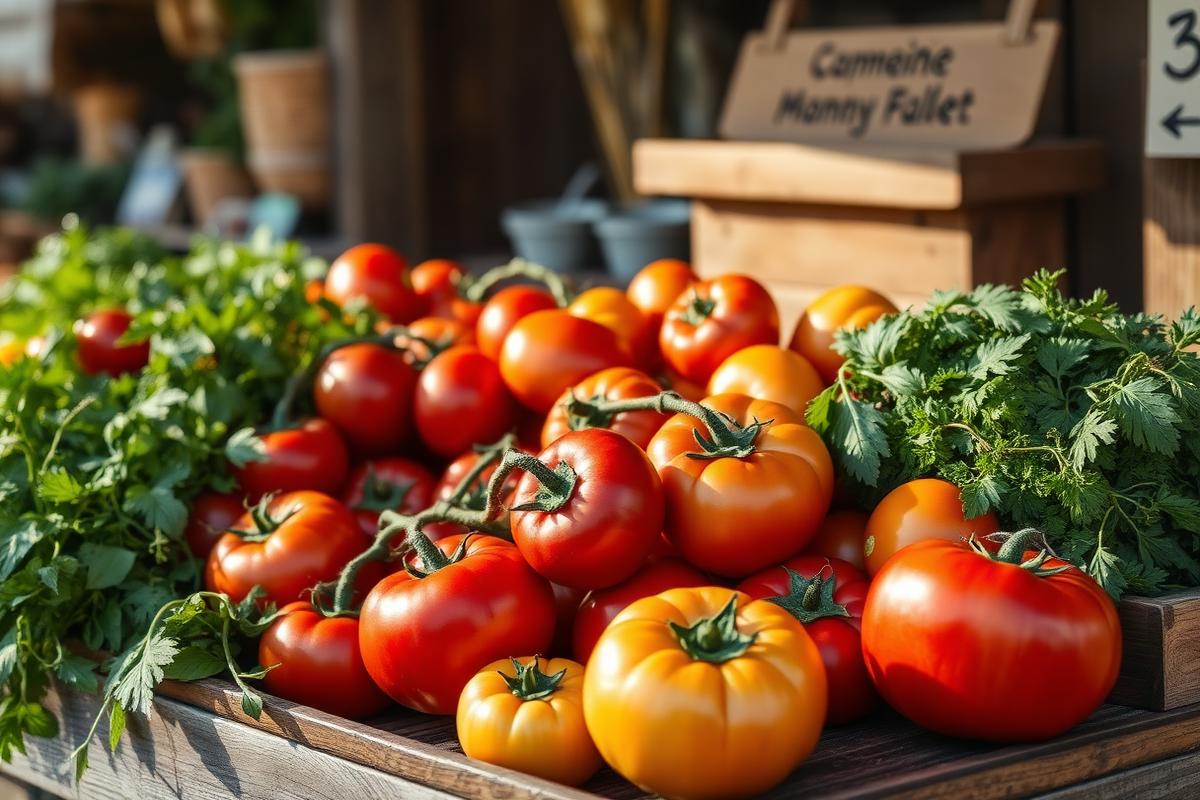
Most market gardens that fail do not fail in year three from a crop disease or a bad weather season. They fail in year one from four decisions made in February. Getting those right will do more for your operation than any tool purchase.
Trying to grow everything
The number-one killer is a crop list of forty items on a half-acre. A viable first-year market garden picks 8–12 crops that (a) sell well in your specific channel, (b) match your climate and (c) have overlapping equipment needs. Salad mix, tomatoes, carrots, cucumbers, summer squash, basil, garlic and one or two flowers is a plenty diverse first-year list.
Choosing the wrong sales channel
Farmers markets, CSA, restaurants, wholesale — each demands a completely different operation. Restaurants pay less per pound but buy volume and consistency; CSA pays best per acre but demands 40 crops and a customer relationship. Pick one primary channel in year one. Diversify in year three.
Underpricing on principle
New growers routinely price 20–40% below their market to "get customers." What they actually do is train those customers to expect that price forever, and starve their own operation of the cash it needs in year two. Price at market rate from day one. If your product doesn't justify the price, fix the product.
Farming without records
Every viable second-year market garden I know keeps three simple records: crop-level yield in pounds and revenue, hours per crop, and input cost per crop. That is all you need to decide what to drop and what to double. Without it, year two is guesswork.
Key takeaways
- ◆Pick 8–12 crops, not 40, in year one.
- ◆One primary sales channel beats three half-served ones.
- ◆Price at market rate — undercutting punishes you for years.
- ◆Track yield, hours and cost per crop from week one.
Frequently asked questions
How much land do I need to start market gardening?+
Full-time income is possible on 1–2 well-managed acres, though most successful operations reach a comfortable income in the 3–5 acre range once systems are in place. Land size matters less than intensity, crop choice and sales channel.
Do I need certified organic status to sell at farmers markets?+
In most jurisdictions no — but you cannot legally call the product 'organic' without certification. Many successful market gardens use practices-based language ('no synthetic pesticides,' 'regeneratively grown') and skip certification cost in early years.
Keywords
- market gardening first year
- starting a market garden
- small farm business plan
- market garden crops
Related reading
Homesteading
Starting a Backyard Homestead: The Realistic First Year
A grounded, non-romantic guide to your first year of homesteading — what actually works on a quarter-acre, in what order, and where new homesteaders most often burn out.
July 5, 2026 · 9 min read
AgTech & Precision Farming
Smart Irrigation for Small Farms: Systems That Pay Back
Drip, sensors, and scheduling that actually work on 1–20 acres. Real system designs, costs, and the metrics that decide whether the investment pays for itself.
June 18, 2026 · 9 min read
Regenerative Farming
Cover Crop Rotation Planning: A Season-by-Season Playbook
Design a cover-crop rotation that actually fits your cash crops, climate and equipment. A working agronomist's playbook with species mixes, seeding rates and termination timing.
June 2, 2026 · 10 min read