AgTech & Precision Farming
Smart Irrigation for Small Farms: Systems That Pay Back
Drip, sensors, and scheduling that actually work on 1–20 acres. Real system designs, costs, and the metrics that decide whether the investment pays for itself.

Published June 18, 2026 · 9 min read
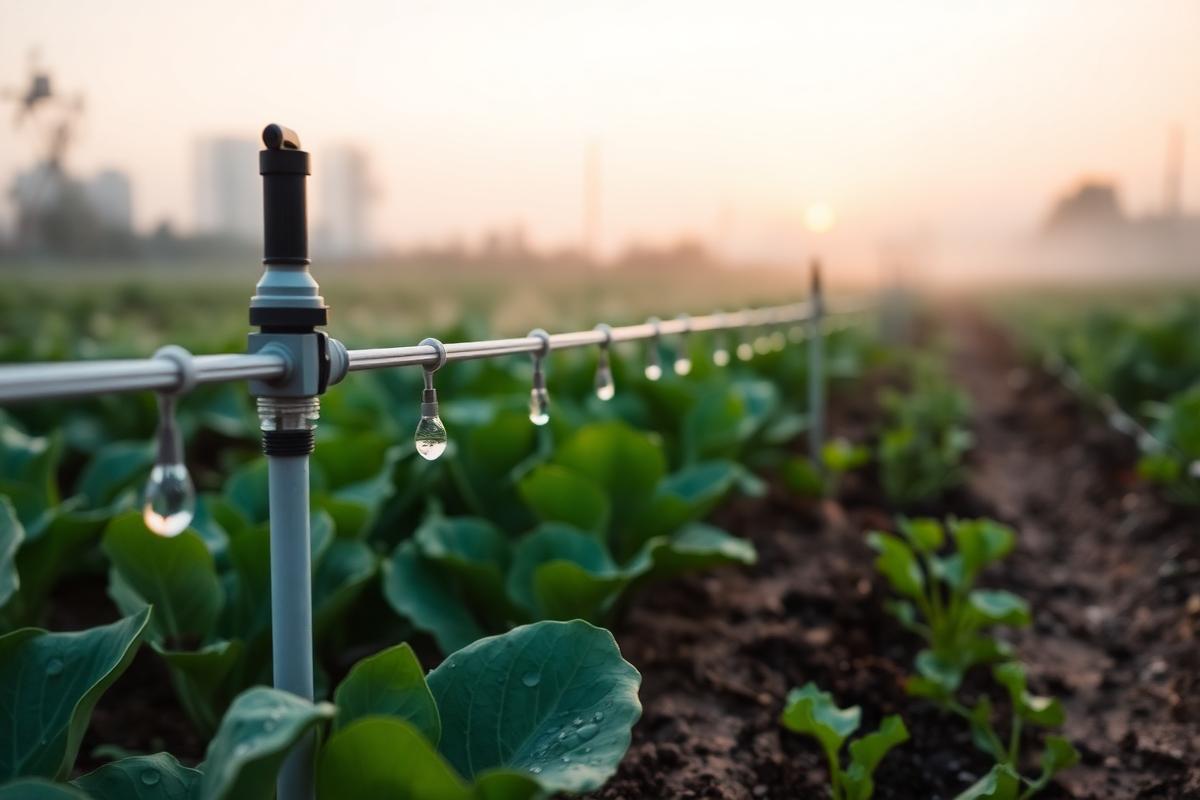
Small-farm irrigation used to mean drag-hose, timer-and-hope. Sensors, cheap flow meters and browser-based scheduling have quietly changed that. For most operations under twenty acres, a modest smart-irrigation stack now pays back inside two seasons.
When smart irrigation is worth it
The investment makes sense when three conditions are true: water is a limiting factor at least a few weeks per year, labor is expensive or scarce, and crops have meaningful moisture-sensitive quality thresholds (tomatoes, brassicas, berries, cut flowers). If you are dryland-farming small grains, the ROI collapses.
Sizing the system
Start with peak crop water demand — typically 0.25–0.35 inches per day for warm-season vegetables in July. Multiply by acreage in irrigation at any one time to get gallons per hour required, then check your well or municipal supply against that peak. Undersized supply is the number-one reason drip systems disappoint.
Sensors that actually change decisions
Two sensors are enough for most operations: a soil moisture probe at 6 and 18 inches in your most representative block, and a simple flow meter on the mainline. Fancy dashboards are optional; a $150 probe plus a $30 flow meter beats a $2,000 system that no one checks.
Scheduling on evidence
Trigger irrigation from measured soil moisture — not from a calendar and not from ambient temperature alone. A tensiometer or capacitance probe reading below your crop's threshold means water; above it, don't. This single change typically cuts water use by 15–30% while increasing yield.
Key takeaways
- ◆Water and labor savings compound faster than most other AgTech investments.
- ◆Undersized supply, not undersized pipe, is why systems disappoint.
- ◆One good moisture probe beats a whole dashboard.
- ◆Schedule from soil moisture, not calendars.
Frequently asked questions
What is the cheapest way to start with smart irrigation?+
A single soil-moisture probe on your most-stressed block, a manual mainline flow meter, and a scheduling spreadsheet. Total cost under $250, and it captures 70% of the benefit.
Are Wi-Fi enabled controllers worth it?+
For anyone with more than a couple of zones and off-site management, yes — connected controllers pay back through avoided over-irrigation alone. Ensure the platform lets you export raw data.
Keywords
- smart irrigation for small farms
- drip irrigation design
- soil moisture sensors
- irrigation scheduling
Related reading
AgTech & Precision Farming
Precision Agriculture: A Getting-Started Guide for Working Farms
A practical, working-farm introduction to precision agriculture — what tools actually change decisions on the ground, and which ones are still marketing.
July 8, 2026 · 10 min read
Market Gardening
Market Gardening: The First-Year Mistakes That Cost the Most
The pattern of expensive mistakes new market gardeners make in year one — and the small planning decisions that separate a viable second season from a shut-down.
July 1, 2026 · 8 min read

Soil Health
Building Healthy Soil: A Practical, Working-Farm Guide
How real farms build living, productive soil — a field-tested guide to soil biology, organic matter, cover crops and testing you can actually use this season.
May 14, 2026 · 12 min read