AgTech & Precision Farming
Precision Agriculture: A Getting-Started Guide for Working Farms
A practical, working-farm introduction to precision agriculture — what tools actually change decisions on the ground, and which ones are still marketing.

Published July 8, 2026 · 10 min read
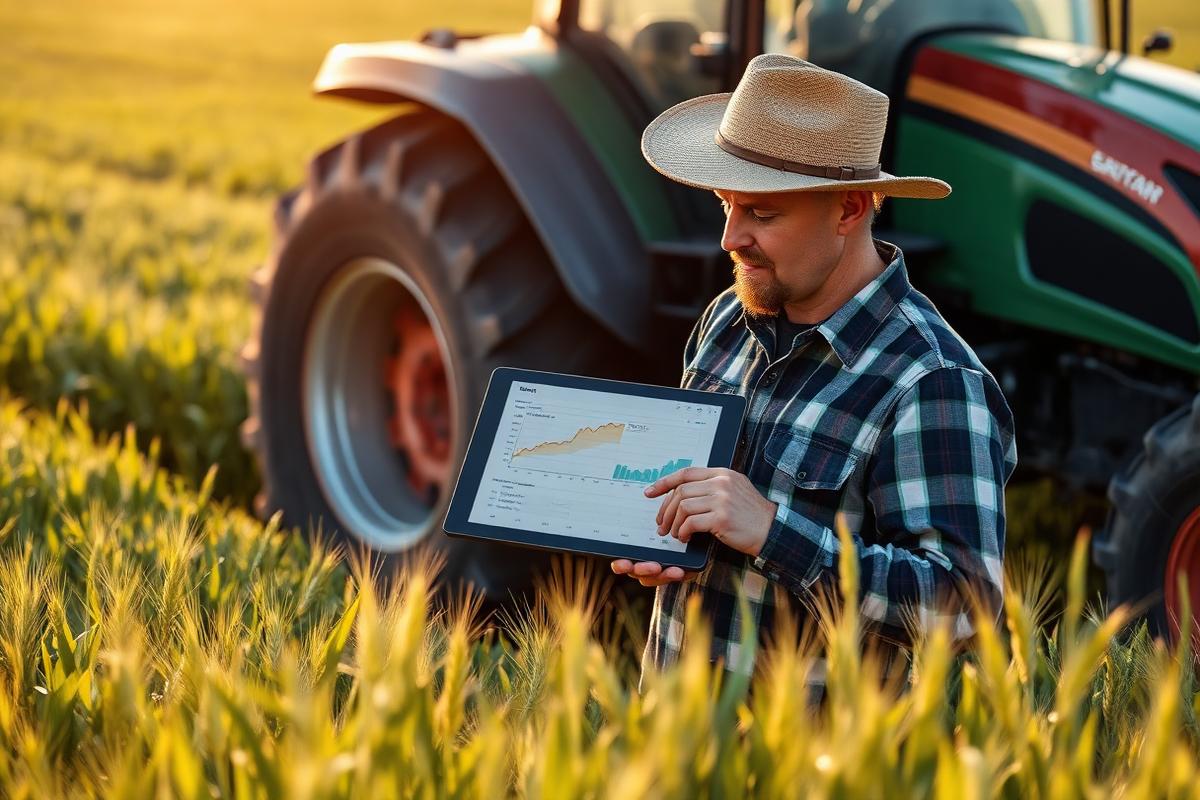
Precision agriculture is one of the most over-marketed and under-implemented ideas in modern farming. Real precision — the kind that changes revenue — starts with boring things: a mapped operation, a variable-rate fertilizer plan and a hard look at yield-monitor data. Satellite imagery and drone flights are downstream of that.
What precision ag actually means
At its core, precision agriculture means treating parts of a field differently based on evidence that they are different. That's it. Every technology stack in the space exists to enable that basic idea at successively higher resolution.
Layer 1: Records and mapping
Before buying anything, get your operation into a decent farm-management platform (Granular, FarmLogs, Bushel Farm — pick one and stick with it). Field boundaries, planting records, yield-monitor exports, input applications. If this layer isn't clean, no further investment will pay back.
Layer 2: Variable-rate inputs
Once you have two seasons of yield-monitor data, you have management zones. Variable-rate fertilizer typically returns $15–$40/acre net in row crops, more in high-input specialty crops. It is the highest-ROI precision investment for most operations.
Layer 3: Sensors and imagery
Satellite NDVI (from providers like Sentinel Hub, Planet, or Descartes Labs) is now essentially free at 5–10 m resolution and a smart weekly check. In-field sensors — soil moisture, weather, plant vigor — pay back on high-value crops and specialty operations but rarely on commodity grain at scale.
What to buy vs. contract out
Rule of thumb: buy the technology you'll use weekly, contract the technology you'll use twice a year. Yield monitors, guidance and rate controllers earn their keep on the tractor. Drone imagery, tissue testing and soil-EC mapping usually don't — hire those out from a local co-op or independent scout until acreage justifies ownership.
Key takeaways
- ◆Precision ag is about evidence-based within-field differences, not gadgets.
- ◆Records and mapping come before any hardware purchase.
- ◆Variable-rate inputs are the highest-ROI first investment for most operations.
- ◆Free satellite imagery has quietly replaced most drone-flight ROI.
- ◆Buy weekly-use tech, contract twice-a-year tech.
Frequently asked questions
Is precision agriculture worth it for small farms?+
The bookkeeping and mapping layer is worth it at any scale. Variable-rate inputs and yield monitoring generally pay back above 200–300 acres of row crop, or above 5–10 acres of high-value specialty. Below that, focus on records and satellite imagery.
How much data do I need before variable-rate makes sense?+
Two full seasons of yield-monitor data plus a grid soil sample gives you enough resolution to draw defensible management zones. One season is usually not enough because it may reflect a weather anomaly rather than a soil pattern.
Keywords
- precision agriculture getting started
- farm management software
- variable rate application
- satellite imagery farming
Related reading
Regenerative Farming
Regenerative Agriculture vs. Organic: What Actually Separates Them
Regenerative and organic overlap on the surface but diverge on what they measure, reward and forbid. A working agronomist's honest side-by-side comparison for farmers deciding which path fits.
July 10, 2026 · 11 min read
AgTech & Precision Farming
Smart Irrigation for Small Farms: Systems That Pay Back
Drip, sensors, and scheduling that actually work on 1–20 acres. Real system designs, costs, and the metrics that decide whether the investment pays for itself.
June 18, 2026 · 9 min read
Regenerative Farming
Cover Crop Rotation Planning: A Season-by-Season Playbook
Design a cover-crop rotation that actually fits your cash crops, climate and equipment. A working agronomist's playbook with species mixes, seeding rates and termination timing.
June 2, 2026 · 10 min read